
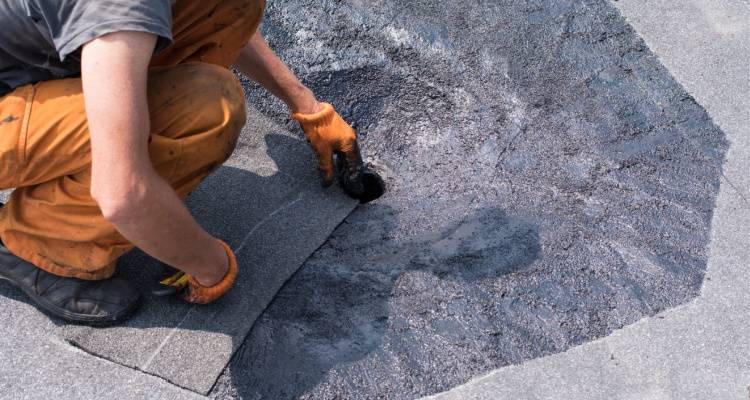
Flat roofs are a bit of a contradiction. They are not actually flat because if they were, your building would basically become a swimming pool after the first rainstorm. They have a slight pitch designed to move water toward drains or scuppers. When those paths start slowing down, you have a ticking clock on your hands. If you are dealing with a property in Utah, getting a roof repair mountain green inspector to look at the slope can save you from a massive headache. Water is heavy and persistent, so even a small delay in drainage can lead to structural stress you just do not want to deal with.
The Warning Signs of Standing Water
The most obvious sign that your drainage is failing is ponding water. If you see puddles staying on your roof more than forty-eight hours after the rain stops, you have a problem. This is not just an aesthetic issue. Standing water acts like a magnifying glass for UV rays, which breaks down the roof membrane faster. It also adds immense weight to the deck. You might notice the membrane starting to look bleached or brittle in specific spots where water sits. If you see those circular “tide marks” of dirt and debris left behind after a puddle evaporates, that is a clear footprint of where the water is getting stuck.
Debris and the Damming Effect
Sometimes the roof itself is fine, but the “highway” is blocked. Leaves, twigs, and even bird nests love to congregate around drains. On a flat roof, even a small pile of silt can act like a dam. This causes water to back up and find the path of least resistance, which is often under your flashing or into the seams of the membrane. You should check your drains and scuppers regularly to ensure they are clear. If you see vegetation growing out of your gutters or drains, that is a huge red flag. Roots can penetrate the roofing material and cause leaks that are incredibly difficult to track down.
Changes in the Roof Surface
Over time, buildings settle and materials age. This can create “low spots” that did not exist when the roof was first installed. You might notice the membrane starting to blister or bubble. These bubbles can redirect water flow away from the intended drain and toward the center of the roof. If the insulation underneath the membrane gets wet, it can compress and create a bowl effect. This is a cycle that feeds itself because the more water that gathers, the more the insulation compresses, making the hole even deeper. Keeping an eye on the physical texture of the roof surface is just as important as watching the water itself.
Issues with Flashing and Terminations
Drainage is not just about the big open spaces. It is also about the edges. Flashing is the metal or membrane stripping that seals the gaps around vents, chimneys, and the perimeter. When drainage slows down, water stays in contact with these seals for much longer than they were designed for. Check for cracking or peeling around these transition points. If the water cannot get off the roof fast enough, it will eventually seep behind the flashing. This often manifests as water stains on the interior ceiling long before you see a massive hole in the roof.
Structural Sagging and Age
If your roof is older, the underlying structure might be starting to give way under the weight of years of snow and rain. This is especially common in older commercial buildings. A slight sag in a support beam can change the entire drainage map of the roof. You might find that water is now flowing away from the drains and pooling in the middle of a span. This is a serious issue that goes beyond simple maintenance. If you notice that the water is moving in a direction it never used to, it is time to look at what is happening underneath the surface.
Final Word
Ignoring a slow drain on a flat roof is a gamble that rarely pays off. Moisture is the enemy of any building, and once it finds a way inside, the repair costs start to climb quickly. Regular maintenance and a quick walk around after a storm can help you catch these issues before they turn into a full-blown crisis. If you are worried about the integrity of your system, calling a roof repair mountain green inspector is the best way to get an honest assessment of your drainage health. Taking care of your roof now means you will not have to worry about what is happening over your head the next time the clouds roll in.