
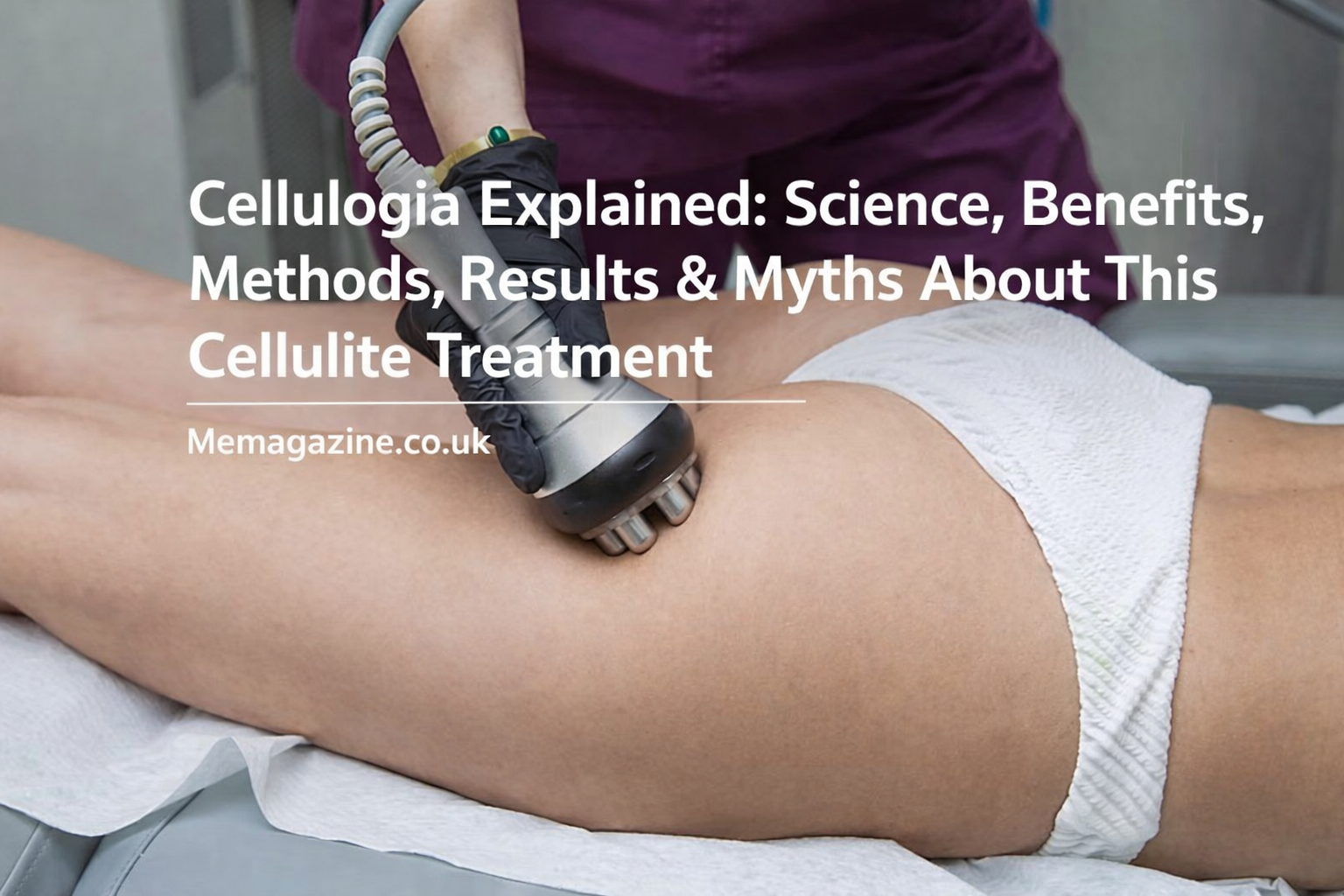
Cellulogia has become a buzzword in the skincare and wellness world — especially among people seeking effective ways to reduce the appearance of cellulite. But what is Cellulogia, how does it work, and does it live up to the hype? In this article, we dive deep into the science, treatments, lifestyle factors, results timelines, myths, and medical evidence behind Cellulogia so you understand both the biological basis and realistic expectations.
What Is Cellulogia?
Meaning and Definition of Cellulogia
Cellulogia is a holistic framework that combines multiple approaches aimed at improving skin texture where cellulite appears — especially on the thighs, hips, and buttocks. The term blends “cellulo-” (referring to cells or cellular structures) with “-logia” (meaning “study of”), creating the impression of a structured approach to addressing the biological and aesthetic aspects of cellulite. It’s not an officially recognized medical specialty but rather a consumer-friendly label that incorporates evidence-inspired therapies and lifestyle practices.
Origin of the Term “Cellulogia”
Unlike dermatological terms like “lipodystrophy” or “subcision,” Cellulogia is largely a modern wellness term used by marketers, influencers, and aesthetic professionals to describe a broad set of steps and tools — from massage to radiofrequency devices — that together aim to manage cellulite appearance.
Is Cellulogia a Medical or Scientific Term?
No medical board or dermatological association currently recognizes Cellulogia as a formal field of study. Instead, it’s a practical, consumer-oriented concept that draws on dermatology, physiology, nutrition, exercise science, and cosmetic technology.
Why Cellulogia Is Trending in the Wellness & Beauty Industry
Cellulogia combines multiple ideas into one package — mechanical therapy, device-based treatments, holistic lifestyle approaches, and skincare rituals — making it appealing to consumers who want a comprehensive solution rather than isolated treatments. The broad appeal of scientific-sounding language and personalized wellness routines also fuels its popularity.
Understanding Cellulite: The Science Behind the Skin
What Causes Cellulite?
Cellulite — sometimes called gynoid lipodystrophy — is a cosmetic condition in which subcutaneous fat lobules protrude upward into the dermis, creating a dimpled or “orange peel” texture on the skin. It’s a multifactorial condition influenced by:
- Skin structure and connective tissue anatomy
- Hormonal influences (e.g., estrogen)
- Genetics and fat distribution
- Circulatory and lymphatic flow
- Lifestyle and aging processes
Approximately 80–90% of post-pubertal women experience cellulite to some degree, while fewer than 10% of men do, due to differences in skin architecture, fat distribution, and hormonal profiles.
Skin Layers Involved in Cellulite Formation
Cellulite involves interactions between three main skin layers:
Epidermis
The outermost layer responsible for barrier and hydration.
Dermis
Contains collagen and elastin fibers that determine skin elasticity.
Hypodermis (Subcutaneous Fat)
Houses fat lobules and fibrous septae that interact mechanically with the dermis.
When the dermal layer is thin and connective tissue is uneven, fat lobules can push upward against the skin surface, accentuating dimples.
How Cellulogia Works
Cellulogia frameworks aim to address multiple factors behind cellulite’s appearance, including circulation, lymphatic drainage, and connective tissue quality.
Improving Blood Circulation
Increased blood flow enhances oxygen and nutrient supply to the skin while supporting waste removal. Techniques like massage, exercise, and mechanical devices are commonly used.
Boosting Lymphatic Drainage
Manual lymphatic drainage and dry brushing help move excess fluid and reduce puffiness — which can make cellulite more noticeable.
Strengthening Connective Tissue
Stimulating fibroblasts (cells that produce collagen) through heat, mechanical stimulation, or specific topicals can potentially improve dermal integrity.
Stimulating Collagen & Elastin Production
Thermal treatments like radiofrequency (RF) and infrared (IR) are often used to heat deep skin layers, which can trigger collagen remodeling over time.
Reducing Fluid Retention & Inflammation
Hydration, diet, and lymphatic techniques may reduce low-grade inflammation and fluid buildup that accentuate dimpling.
Redistributing Fat Cell Pressure
Cellulogia doesn’t surgically remove fat, but muscle toning and modest fat loss can reduce pressure against the dermis.
Cellulogia Methods & Techniques
Below are the primary modalities associated with Cellulogia. It’s important to note that while some have clinical evidence, others are supported more by user reports and aesthetic tradition than by strong data.
Manual Massage & Lymphatic Drainage
Manual deep tissue massage and lymphatic drainage focus on improving circulation and fluid flow. Some evidence suggests massage can temporarily improve skin texture, although changes are typically short-term unless consistently maintained.
Vacuum Therapy (Suction & Cupping Methods)
Vacuum therapy uses controlled negative pressure to lift tissue and potentially stretch fibrous bands. While it often results in temporary improvement in appearance, scientific evidence is mixed and often short-lived.
Radiofrequency (RF) & Infrared (IR) Treatments
RF and IR devices deliver thermal energy to subcutaneous tissues. Some clinical studies suggest combined RF/IR approaches can improve skin tightness and surface appearance, though methodological limitations in the research make outcomes variable.
Acoustic Wave & Ultrasound Therapy
These use mechanical energy or sound waves to stimulate circulation and collagen activity. Limited evidence supports acoustic wave therapy but not enough to confirm long-term benefits.
Dry Brushing & Foam Rolling
Low-tech routines like dry brushing and foam rolling can temporarily enhance blood flow and lymphatic movement, making the skin look smoother in the short term. However, experts note these effects are cosmetic and not permanent.
Topical Creams & Active Ingredients
Common ingredients include caffeine (may improve circulation), peptides, antioxidants, and retinoids (may promote skin thickening with prolonged use). These are best used as adjuncts rather than standalone solutions.
Lifestyle Practices That Enhance Cellulogia Results
Cellulogia places strong emphasis on lifestyle factors known to support overall skin health.
Diet for Cellulite Reduction
A balanced, anti-inflammatory diet supports connective tissue and overall metabolic health:
- Proteins provide amino acids for collagen synthesis
- Vitamin C supports collagen cross-linking
- Omega-3 fatty acids have anti-inflammatory properties
- Antioxidants protect skin structure from oxidative stress
Hydration and Skin Health
Adequate hydration improves skin turgor and elasticity. While direct evidence on cellulite is limited, well-hydrated skin generally appears healthier and smoother.
Best Exercises for Cellulite Reduction
Exercise — especially strength training for the glutes, hips, and legs — may improve muscle tone and underlying structure, reducing the visibility of cellulite. High-intensity interval training (HIIT) and cardio also enhance circulation and metabolic health.
Hormonal Balance, Stress & Sleep
Hormonal fluctuations influence fat distribution and skin elasticity. Stress management and good sleep help regulate cortisol and support overall metabolic and skin health.
Step-By-Step Cellulogia Routine
Cellulogia routines vary based on your experience level and goals.
Beginner Cellulogia Routine (Daily Plan)
- Morning: 5–10 minutes of dry brushing
- Daily hydration
- Short walk or light activity
- Evening self-massage with body oil
Intermediate Cellulogia Routine (Weekly Plan)
- Daily hydration and dry brushing
- 3 sessions/week of strength training
- Weekly foam rolling or deep massage
- Topical application with proven actives
Advanced Cellulogia Program
- Daily basics plus:
- 3–4 strength + cardio sessions/week
- Professional RF or acoustic wave treatments
- Regular tracking of progress through photos or measurements
- 3–4 strength + cardio sessions/week
Realistic Results: What to Expect From Cellulogia
First 2 Weeks – Early Skin Changes
Initial improvements are usually subtle — better hydration and temporary smoothness.
4–6 Weeks – Visible Texture Improvement
Many individuals report slight reduction in dimpling with regular combined efforts.
3 Months – Collagen Remodeling Phase
Professional treatments and consistent lifestyle changes show more noticeable changes.
6+ Months – Maintenance & Long-Term Results
Ongoing care helps sustain outcomes, but results vary widely based on genetics, age, and adherence.
Benefits of Cellulogia
Cellulogia’s integrated strategy offers:
- Potential smoother, firmer skin
- Improved circulation and lymphatic flow
- Non-invasive options
- Holistic health gains in fitness and metabolism
Limitations, Risks & Side Effects
What Cellulogia Cannot Do
It is not a permanent cure and won’t eliminate cellulite genetically or structurally like surgical options might.
Temporary Side Effects & Skin Reactions
Redness, warmth, and mild sensitivity can occur after treatments.
Who Should Avoid or Consult a Professional First
Individuals with medical conditions, circulatory issues, pregnancy, or skin infections should consult a clinician before advanced treatments.
Cellulogia vs Other Cellulite Treatments
While Cellulogia integrates many approaches, here’s how it compares with other methods:
- Creams & Topicals: helpful but limited penetration
- Traditional Massage: good for circulation, less targeted
- Laser & RF: deeper tissue stimulation, more evidence but variable results
- Surgical Procedures: dramatic results but higher risk and cost
Is Cellulogia Evidence-Based or Just Marketing?
While components like RF and acoustic therapy have some scientific support, a large systematic review found that most cellulite treatments have limited high-quality evidence and their effects may be temporary.
Myths & Facts About Cellulogia
- Myth: It permanently removes cellulite → Fact: No current evidence supports permanent removal with non-invasive methods.
- Myth: Only overweight people get cellulite → Fact: Lean and active individuals can have it too.
- Myth: Devices alone are enough → Fact: Holistic lifestyle support improves outcomes more.
Frequently Asked Questions About Cellulogia (FAQ)
Does Cellulogia Really Work?
Some aspects like exercise, hydration, and professional treatments can produce visible improvements, but results vary widely.
How Many Sessions Are Needed?
Clinical protocols often use 6–10 sessions for measurable change, though studies show variance.
Is Cellulogia Safe?
Most modalities are low-risk, but professional guidance is recommended.
Is Cellulogia Expensive?
Costs vary based on technology and frequency of treatment.
Is Cellulogia Recognized by Dermatologists?
Experts recognize its components but not the term itself.
Safety Checklist & Professional Guidance
- Get a professional consultation
- Choose licensed practitioners
- Start gradual settings with devices
- Avoid aggressive techniques on inflamed skin
Final Verdict: Is Cellulogia Worth It?
Cellulogia isn’t a magic cure — but it is a comprehensive strategy that combines lifestyle, aesthetic treatments, and consistent habits that can produce real improvements for many people. With realistic expectations and a focused routine, Cellulogia can be a practical, non-invasive option for those looking to smooth skin and enhance confidence.
ALSO READ: Mannacote: The Ultimate Guide to History, Recipes, Variations, and Health Benefits