
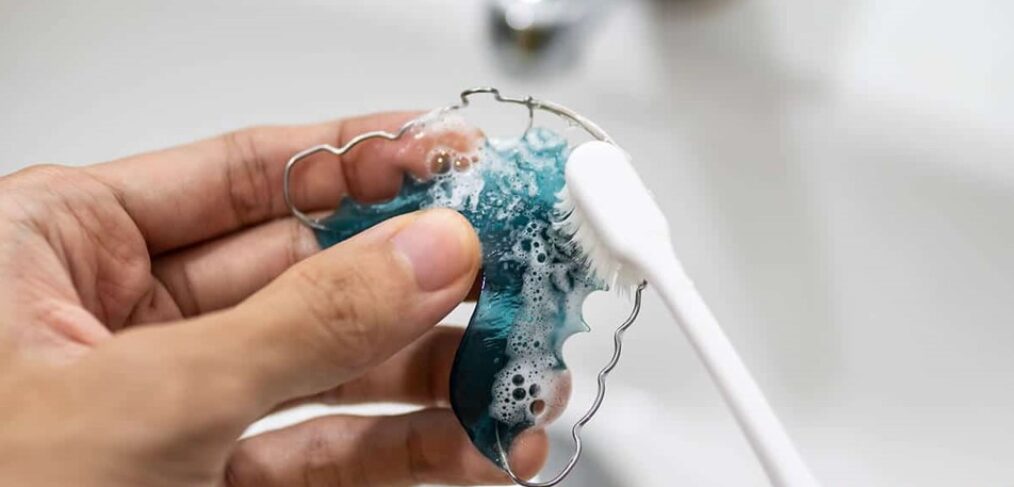
Retainers are an essential part of maintaining the alignment of your teeth after orthodontic treatment. However, many people unknowingly damage their retainers by following improper cleaning habits. Poor care can lead to bacterial buildup, unpleasant odors, and even reduced lifespan of the appliance. Understanding these mistakes and learning the correct cleaning methods—like using an ultrasonic retainer cleaner—can help you keep your retainer hygienic, clear, and functional.
Why Proper Retainer Care Is Crucial
Retainers sit in the mouth for hours daily, exposing them to:
- Saliva and natural bacteria
- Food particles and plaque
- Cosmetic residues from toothpaste or mouthwash
Neglecting proper care can result in:
- Bad breath (halitosis)
- Plaque accumulation on the retainer
- Gum irritation and infections
- Reduced retainer lifespan
Preventing these problems starts with avoiding common cleaning mistakes and adopting effective practices.
Common Mistakes People Make
1. Using Toothpaste to Clean Retainers
While toothpaste is great for teeth, it is often too abrasive for retainers made of plastic or acrylic. Brushing with toothpaste can create microscopic scratches where bacteria can accumulate, reducing hygiene and the appliance’s lifespan.
2. Skipping Daily Cleaning
Some users clean their retainers sporadically. Skipping daily maintenance allows plaque and bacteria to build up, making subsequent cleaning more difficult and less effective.
3. Using Hot Water
Hot water can warp plastic retainers, causing poor fit and discomfort. Even slightly hot water can gradually deform the retainer, rendering it less effective at keeping teeth aligned.
4. Using Harsh Chemicals
Bleach, alcohol, or strong cleaning agents can weaken the retainer material, leave toxic residues, and affect oral health.
5. Improper Storage
Leaving retainers exposed to air, dust, or bathroom surfaces can introduce bacteria and increase the risk of damage or loss.
How Ultrasonic Retainer Cleaners Solve These Issues
Using an ultrasonic retainer cleaner helps avoid the mistakes mentioned above by:
- Gentle Cleaning: Removes bacteria and debris without abrasive scrubbing.
- Deep Reach: Cleans tiny crevices that manual methods often miss.
- Material Safety: Protects plastic and acrylic from scratches and warping.
- Time Efficiency: Completes cleaning in 3–5 minutes with minimal effort.
- Consistency: Ensures uniform results every time.
This makes ultrasonic cleaning a safe, efficient, and convenient method for daily retainer hygiene.
Retainer Cleaning: Mistakes vs Proper Ultrasonic Cleaning
Common Mistakes (Manual Cleaning):
- Cleaning Depth: Often surface-only, misses hidden bacteria
- Effort Required: High, involves scrubbing or brushing
- Risk of Damage: Moderate to high, scratches or warping possible
- Time: Longer, cleaning thoroughly takes effort
- Hygiene Effectiveness: Inconsistent, may leave bacteria behind
Proper Ultrasonic Cleaning:
- Cleaning Depth: Deep, reaches all small crevices
- Effort Required: Minimal, just place retainer in the device
- Risk of Damage: Low, gentle on delicate plastic or acrylic
- Time: Fast, 3–5 minutes per cycle
- Hygiene Effectiveness: Consistent, bacteria-free results
This comparison highlights why ultrasonic cleaning is superior and safer than common manual mistakes.
Tips for Proper Retainer Care
- Clean Daily – Use an ultrasonic cleaner or a mild solution recommended by your orthodontist.
- Rinse Before and After Use – Removes food debris and prevents buildup.
- Avoid Hot Water or Harsh Chemicals – Protects retainer integrity.
- Store Properly – Use a clean, ventilated case to prevent contamination.
- Inspect Regularly – Check for cracks, discoloration, or warping.
- Replace When Needed – Follow your orthodontist’s recommendations to maintain effectiveness.
Consistent care prevents the common mistakes that lead to reduced retainer lifespan and poor oral hygiene.
Benefits of Avoiding Retainer Cleaning Mistakes
- Maintains a fresh and clean appliance
- Prevents bacterial buildup and bad breath
- Extends the lifespan of your retainer
- Keeps teeth aligned effectively
- Saves time and reduces dental issues in the long term
Proper retainer care is not just about hygiene—it also preserves your orthodontic investment and improves oral health.
Conclusion
Many retainer users unintentionally damage their appliances due to common mistakes like using toothpaste, skipping daily cleaning, or exposing retainers to hot water. These habits increase bacterial buildup, reduce appliance lifespan, and can compromise oral health.
Switching to an ultrasonic retainer cleaner eliminates these risks. It provides a deep, gentle, and efficient cleaning solution that protects your retainer, keeps it hygienic, and ensures your teeth remain properly aligned. By following correct cleaning practices and avoiding common mistakes, you can enjoy a clean, clear, and long-lasting retainer while maintaining excellent oral hygiene.