
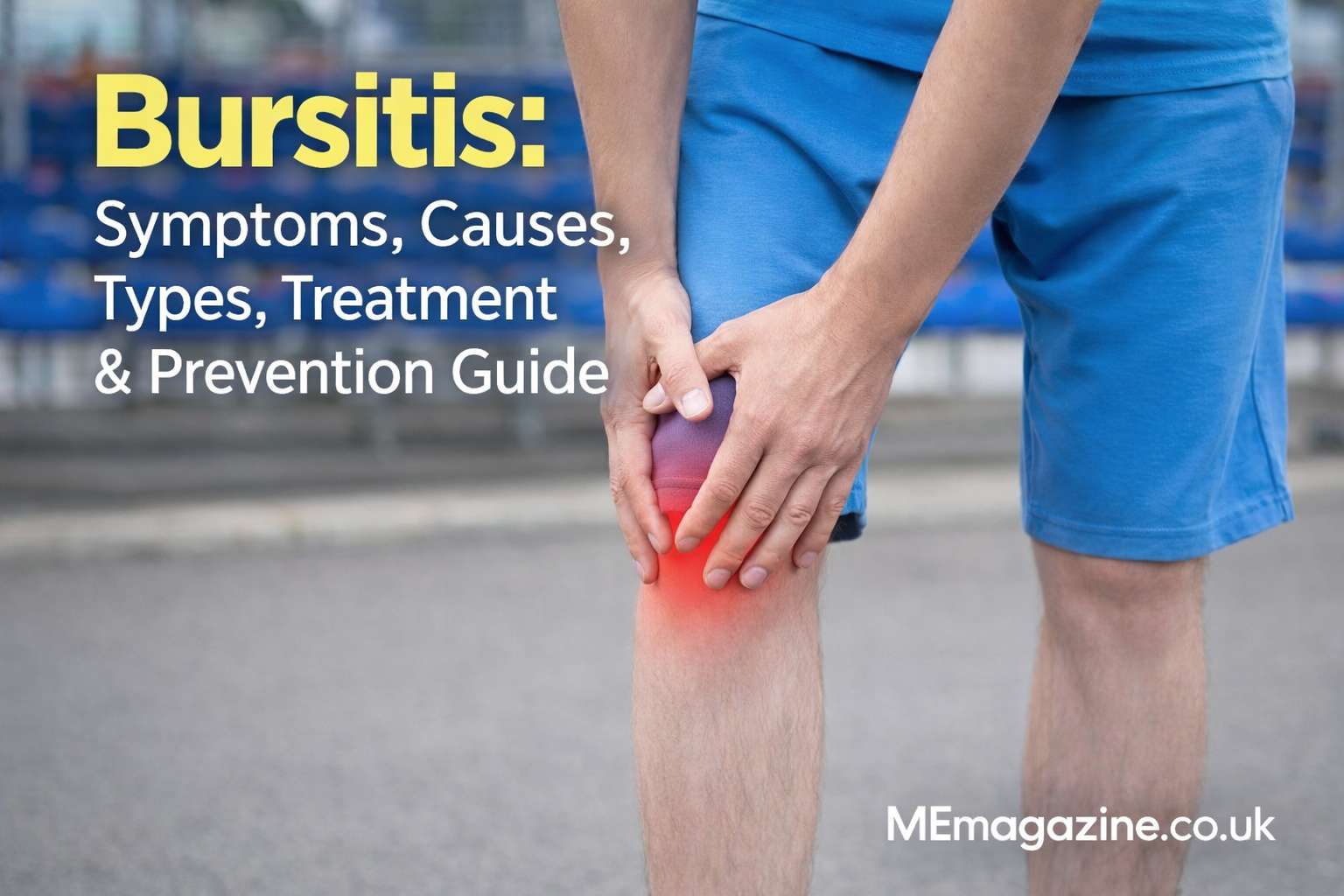
Bursiter — commonly known in medical terms as bursitis — is a joint condition that affects millions of people worldwide. While it may sound unfamiliar, it’s a very common cause of pain and limited movement around the joints. People often confuse bursiter with arthritis, tendonitis, or general “joint pain,” but the underlying causes and treatments differ significantly.
In this article, we’ll explore everything you need to know about bursiter — from early symptoms and types, to diagnosis, treatment options, prevention, and long‑term outlook.
1. Introduction
Bursiter is the inflammation of bursae — small fluid‑filled sacs that cushion the points where muscles, tendons, and skin slide over bones. These bursae help reduce friction during joint movements. When they become inflamed, it leads to pain, swelling, and restricted movement.
There are more than 150 bursae in the human body, and bursiter can occur in any one of them, although some areas are more commonly affected than others.
2. Symptoms of Bursiter
General Symptoms
The symptoms of bursiter can vary depending on the location and severity of inflammation, but the most common general signs include:
- Joint pain — usually aching or stiffness around the joint
- Swelling and tenderness in the affected area
- Warmth or redness over the inflamed bursa
- Pain that worsens with movement or pressure
- Restricted range of motion in the affected joint
Joint‑Specific Symptoms
Different joints show slightly different symptoms:
- Knee (Prepatellar): Pain and swelling around the kneecap, especially when bending or kneeling.
- Elbow (Olecranon): Swelling at the tip of the elbow and difficulty bending the arm.
- Hip (Trochanteric): Pain on the outer hip, especially at night or when lying on the affected side.
- Shoulder (Subacromial): Shoulder pain worsened by overhead movement.
- Heel (Retrocalcaneal): Pain and swelling near the back of the heel, often aggravated by walking or running.
3. Types of Bursiter
Bursiter is often categorized by the joint affected and the underlying cause of inflammation.
Knee Bursiter
- Prepatellar Bursiter: Affects the bursa in front of the kneecap. Often known as “housemaid’s knee”, frequently seen in people who kneel a lot.
- Infrapatellar Bursiter: Below the kneecap; often seen in athletes.
- Pes Anserine Bursiter: On the inner lower side of the knee.
Elbow Bursiter
- Olecranon Bursiter: Inflammation of the bursa at the tip of the elbow. This type is common in people who rest on hard surfaces or experience repetitive elbow pressure.
Hip Bursiter
- Trochanteric Bursiter: Affects the outer hip bursa and is often linked to repetitive activities like running or walking.
Shoulder Bursiter
- Subacromial Bursiter: Occurs in the shoulder bursa and is especially common among athletes involved in overhead motions.
Heel and Ankle Bursiter
- Retrocalcaneal / Achilles Bursiter: Located near the Achilles tendon at the heel.
- Medial Malleolar Bursiter: On the inner side of the ankle.
Septic vs Aseptic Bursiter
Bursiter can also be classified by its cause:
- Septic (Infectious): Caused by bacteria entering the bursa via a puncture wound or skin break.
- Aseptic (Noninfectious): Caused by repetitive motion, trauma, or underlying medical conditions like gout or rheumatoid arthritis.
4. Causes of Bursiter
The most common cause of bursiter is repetitive motion or pressure on a joint, especially in activities involving repeated motion or force. Examples include constant kneeling, leaning on elbows for long periods, pitching in baseball, or overhead lifting.
Major Causes Include:
- Repetitive movements or sports activities
- Direct injury or trauma to joints
- Poor posture or improper mechanics
- Metabolic or autoimmune conditions such as gout or rheumatoid arthritis
- Infection in the bursa
- Obesity and age‑related wear – bursiter becomes more common as people get older and excess weight adds joint pressure.
Some types of bursiter (such as prepatellar bursiter) may also be more common in men aged 40–60 years due to life patterns and exposure.
5. Risk Factors for Bursiter
Bursiter can affect anyone, but several key factors increase the likelihood of developing it:
- Age – older adults are more susceptible
- Repetitive motions or pressure from work or hobbies
- Occupations involving kneeling, lifting, or overhead work
- Preexisting health conditions such as diabetes or arthritis
- Being overweight
- Infection risk through injuries
- Trauma or sudden increase in physical activity
Statistics & Prevalence
- people yearlyBursiter affects about 3.2% of the U.S. population annually, meaning roughly 8.7 million people may experience it each year.
- It accounts for about 0.4% of all primary care visits.
- Certain forms like trochanteric pain syndrome affect 1.8 per 1000.
6. How Bursiter is Diagnosed
Proper diagnosis begins with a medical history and physical examination. Your healthcare provider will evaluate your symptoms, level of pain, and movements that worsen the condition.
Diagnostic Tools Include:
- X‑ray – useful to rule out fractures or other bone issues
- Ultrasound or MRI – provides clear images of soft tissues including bursae
- Lab tests – to check for infection or underlying systemic diseases
- Bursal fluid analysis (aspiration) – especially valuable when infection is suspected
It’s important to distinguish bursiter from other conditions like tendonitis or arthritis, which may require different treatments.
7. Treatment Options for Bursiter
Treatment for bursiter focuses on relieving pain and reducing inflammation, and often depends on whether the bursiter is septic or aseptic:
Conservative (Non‑Surgical) Treatments
a. Rest & Activity Modification
Stopping activities that aggravate your joint often leads to significant improvement. Rest helps reduce irritation in the inflamed bursa.
b. Ice and Heat Therapy
Applying ice packs can help reduce swelling in the first 48 hours, while heat can relax muscles and reduce stiffness.
c. Over‑the‑Counter Medications
NSAIDs like ibuprofen and naproxen can reduce pain and inflammation. Acetaminophen might be recommended for pain relief.
d. Corticosteroid Injections
A direct corticosteroid injection into the bursae may rapidly reduce inflammation and pain — especially when conservative measures fail.
e. Physical Therapy
Therapeutic exercises help strengthen muscles around the joint, improve flexibility, and prevent future flare‑ups.
Medical and Surgical Interventions
a. Antibiotics
If bursiter is the result of a bacterial infection, antibiotics are necessary to clear the infection.
b. Aspiration or Surgical Drainage
In rare cases, especially with septic bursiter, a physician may drain the fluid from the bursa or perform surgical removal (bursectomy).
8. Prevention of Bursiter
You can reduce your risk of bursiter and minimize flare‑ups by adopting a few simple habits:
- Use padding like knee or elbow pads when kneeling or working on hard surfaces
- Warm up before exercise or sports
- Take breaks during repetitive activities
- Practice good posture
- Maintain a healthy weight
- Wear appropriate footwear
Avoiding repetitive stress on joints and strengthening supporting muscles are key to long‑term prevention.
9. Bursiter vs Arthritis
Many people confuse bursiter with arthritis, but they are different:
- Bursiter affects the bursae — sacs that cushion joints.
- Arthritis affects the joint itself, particularly the cartilage and bone.
- Bursiter often goes away within weeks with proper treatment, whereas arthritis tends to be a chronic condition.
10. Long‑Term Outlook and Recovery
Most cases of bursiter improve significantly with conservative treatment within a few weeks. However, some individuals may experience chronic bursiter with recurrent pain and swelling, especially if the underlying cause isn’t addressed.
When to Seek Medical Attention
Consult a healthcare professional if you notice:
- Severe pain that doesn’t improve
- Loss of joint function
- Signs of infection (fever, redness, warmth)
- Pain lasting more than 2–3 weeks
Conclusion
Bursiter is a common, usually manageable condition that can affect the quality of life if left untreated. Recognizing the early signs, understanding the causes and risk factors, and seeking appropriate treatment can lead to effective recovery and long‑term joint health.
Remember, early intervention and lifestyle adjustments are key — and with proper care, most people recover well from bursiter and continue to lead active, pain‑free lives.